Lead Abatement for Renovations in Baltimore
Lead-safe work before and during remodeling of older homes.
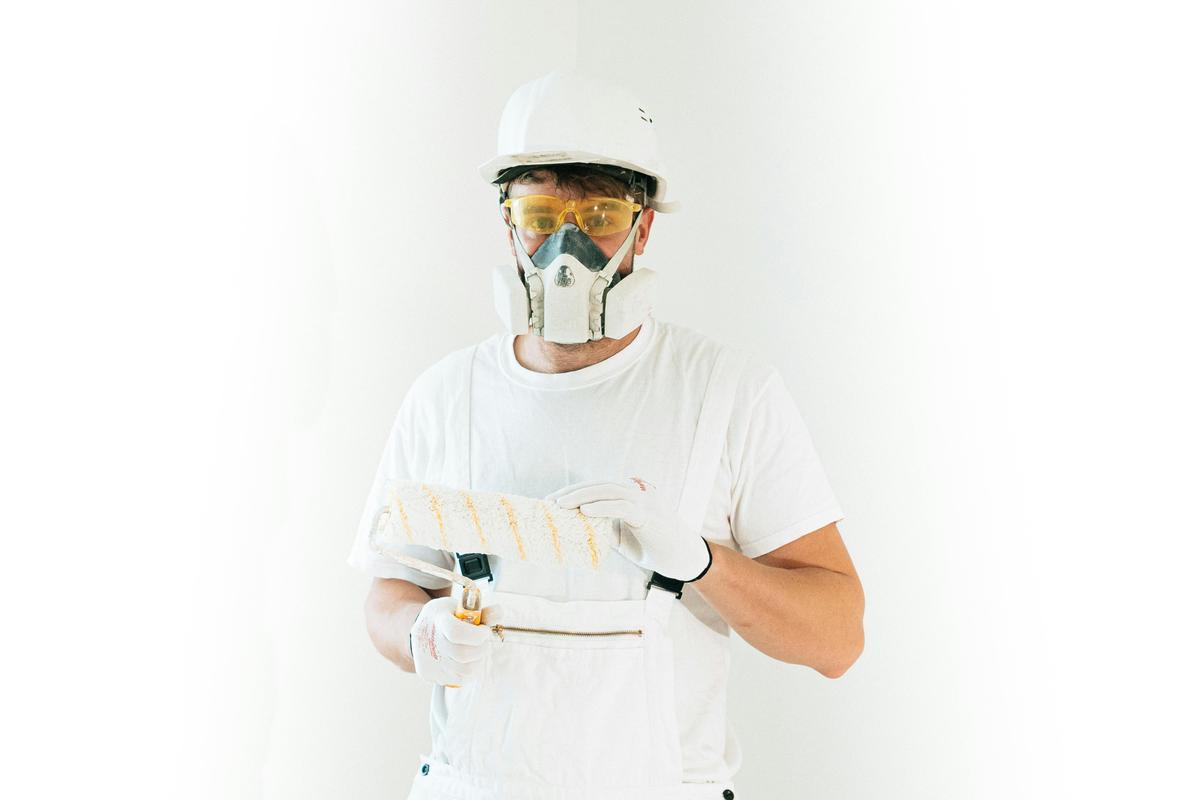
Remodeling an older home can disturb lead paint without anyone noticing. Sanding a doorframe, tearing out plaster, or replacing windows can all create lead dust. The EPA has a Renovation, Repair and Painting (RRP) rule that covers paid work in most homes built before 1978, and Maryland has its own accreditation system for lead work, so it is worth asking early how a project will be handled.
Renovation work and abatement are not the same thing. Abatement is work designed to permanently eliminate lead hazards. Lead-safe renovation uses controlled methods so the project does not spread lead dust. A pro can tell you which one fits your job, and an inspection before work starts can show where lead is.
Tell us about your project and we will connect you with local lead pros. Before you hire anyone, ask for their MDE accreditation and ask whether the firm follows EPA lead-safe renovation rules for your type of work.
Questions to ask a pro
- Does this project fall under lead-safe renovation rules or abatement rules?
- Who tests for lead before work begins?
- How will you contain dust and protect furniture, floors and the rest of the house?
- What happens to my timeline if lead is found mid-project?
- Who does the final cleaning and verification?
Common questions
Does a small repair count?
Rules often depend on how much painted surface is disturbed and what kind of work is done. A pro can tell you where your job falls.
Should I test before I buy a fixer-upper?
Many buyers do. An inspection can show where lead is before you plan a budget around it.
Can I live in the house during renovation?
It depends on the scope. Ask your pro, and ask about the safest plan for children and pregnant family members.
Where we connect you
Baltimore City, Baltimore County, Towson, Dundalk, Catonsville, Essex, Glen Burnie, Columbia.