Lead Pipe & Water Testing in Baltimore
Check plumbing materials and test your tap water for lead.
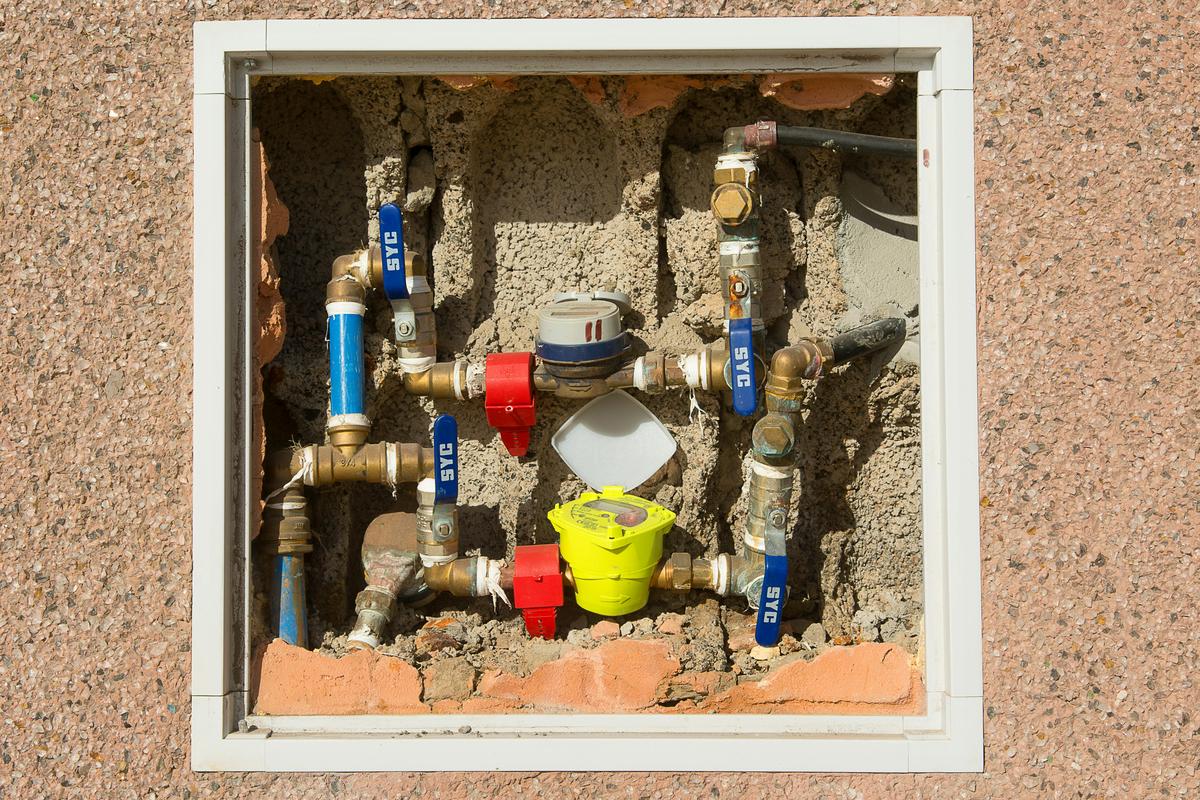
Lead can get into drinking water from old service lines, older plumbing and fixtures, and solder used before lead solder was banned for drinking water systems in 1986. You cannot see, smell or taste lead in water. A laboratory test is the way to find out what is coming out of your tap.
Testing and pipe work are different jobs. A water test tells you what is in a sample. A plumber or lead pro can look at which pipes and fittings you have and talk through options, which may include fixture replacement or work on lines inside the home. Ask your water utility about the service line between the street and your home.
We are a referral service. We connect you with local lead pros who can help with testing or plumbing questions, and you choose who to work with. Ask whether any lab used is state-certified for drinking water lead analysis.
Questions to ask a pro
- Which laboratory will analyze my water, and is it state-certified for drinking water lead testing?
- How should the sample be collected, and who collects it?
- What will the results mean, and what are my options if lead is detected?
- Can you tell what my pipes and fittings are made of?
- Who should I ask about the service line outside my property?
Common questions
Is boiling water a fix for lead?
No. Boiling does not remove lead. Ask your lab or health department what to do while you wait for results.
How old does a house have to be to worry about lead pipes?
Older homes are more likely to have lead in plumbing, but age alone does not tell you. Testing and a look at the plumbing do.
Do I test every tap?
A pro or lab can tell you which taps to sample. Kitchen cold water is a common starting point.
Where we connect you
Baltimore City, Baltimore County, Towson, Dundalk, Catonsville, Essex, Glen Burnie, Columbia.